If you’ve never planned a wedding before (which is fair), the idea of creating a wedding day timeline can feel overwhelming. There are a lot of moving pieces, opinions flying in from all directions, and a deep desire for the day to feel good. Not rushed, not chaotic, not overly staged. That’s exactly why a wedding timeline consultation exists. This is not about squeezing every possible photo into your day. It’s about creating a flow that supports your priorities, protects your energy, and leaves room for real moments to unfold.
Here’s what actually happens when you sit down with your photographer to build your wedding day timeline, step by step.
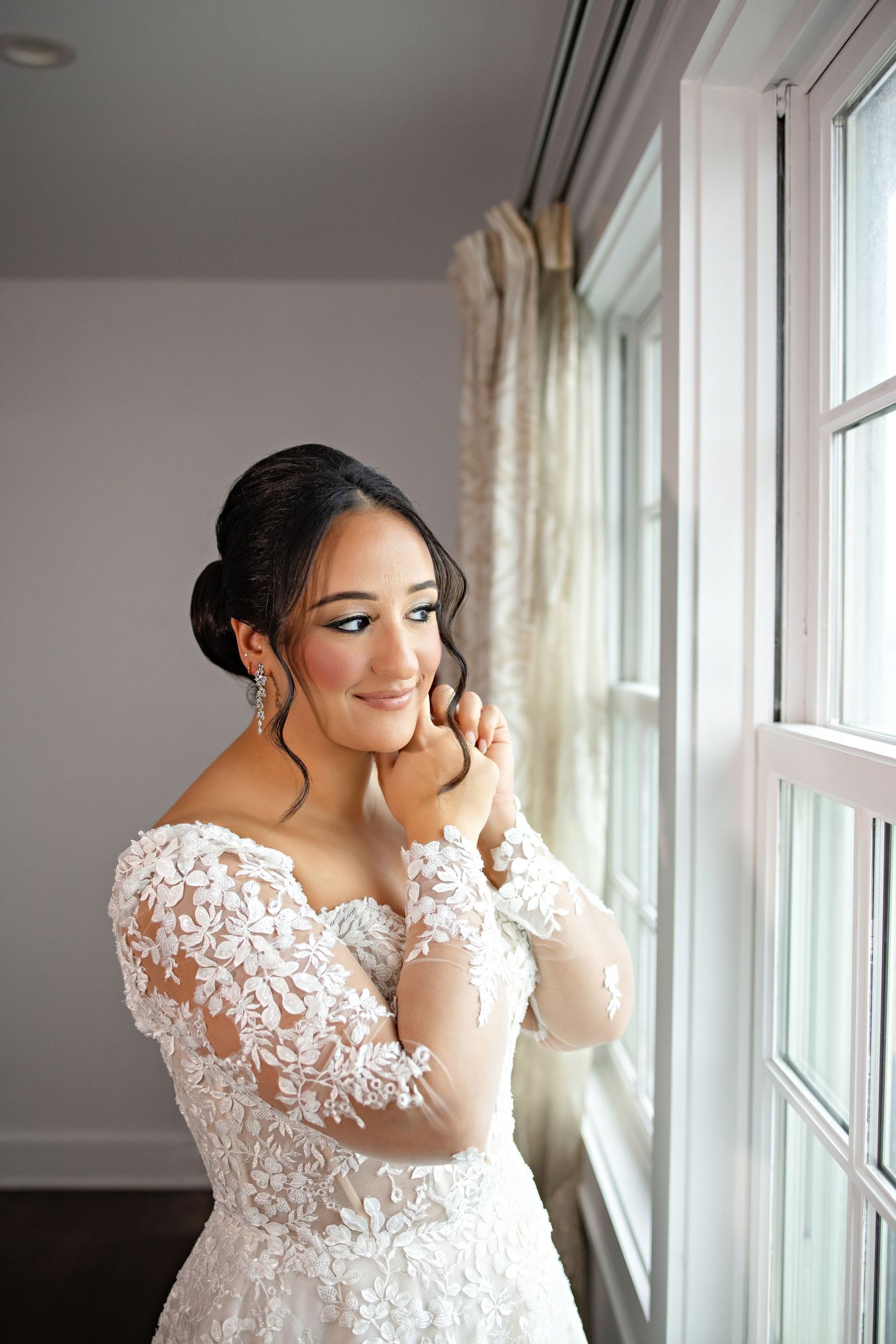
Step 1: We Start With You
Before we talk about times, logistics, or photos, we talk about you.
During a timeline consultation, I’ll ask questions like:
- What are you most excited about on your wedding day?
- What are you most nervous about?
- Do you want the day to feel calm and slow, or lively and packed?
- Are there moments that feel especially meaningful to you?
This part matters more than couples realize. A good timeline isn’t one-size-fits-all—it’s built around your personalities, your relationship, and how you want to experience the day.
Step 2: We Review the Big Picture Logistics
Next, we zoom out and look at the overall structure of your day. This usually includes:
- Ceremony start time
- Reception start and end time
- Getting ready locations
- Travel time between locations
- Season, sunset time, and lighting conditions
This is where my experience really comes into play. I help identify potential pressure points: tight travel windows, unrealistic expectations, or moments that may need more breathing room than initially planned.
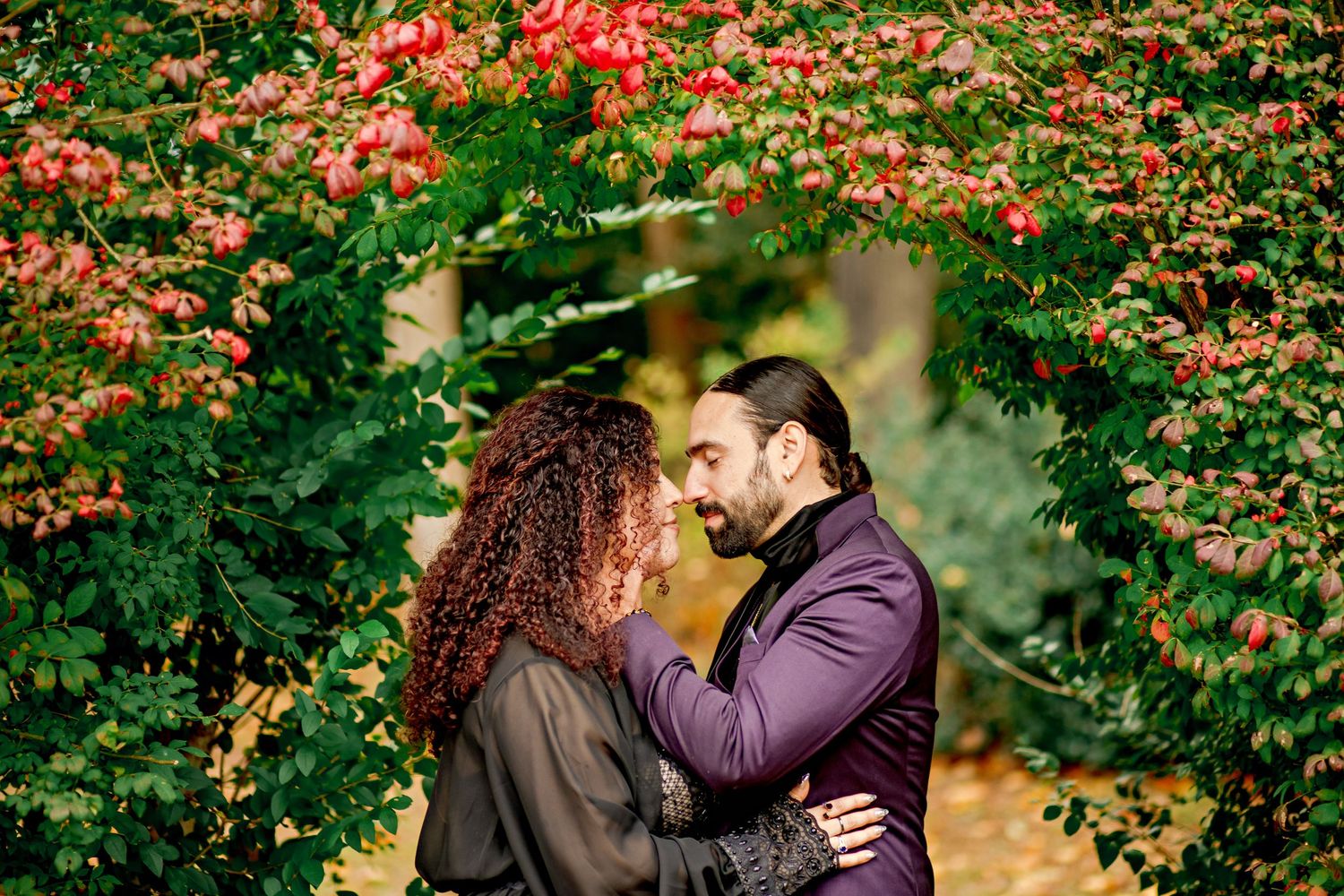
Step 3: We Talk About First Looks (Or Not)
One of the most important timeline decisions is whether or not you’re doing a first look.
During the consultation, we walk through:
- What a first look actually feels like
- How it impacts the rest of the day
- How it affects portrait timing and guest experience
- The emotional pros and cons of each option
There’s no “right” choice here. The goal is to choose what aligns with your values. Not what Instagram or tradition says you should do.
Step 4: Building the Photo Flow (Not a Shot List)
Instead of focusing on rigid shot lists, we build a photo flow.
This includes:
- When and where portraits make the most sense
- How to group family photos efficiently
- Where buffer time is essential
- How to avoid pulling you away from your guests for long stretches
The intention is to make photos feel like a natural part of your day. Not a constant interruption.
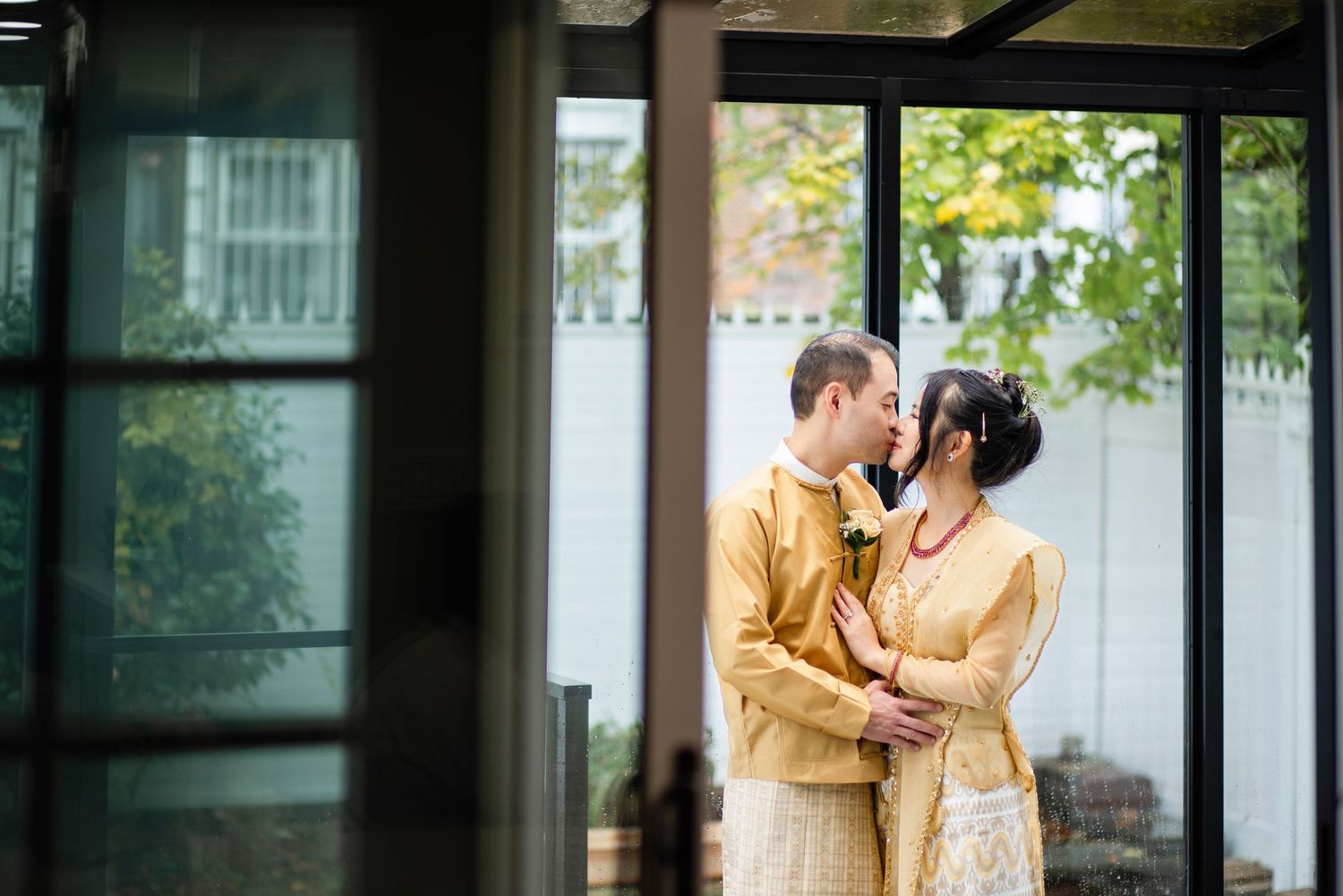
Step 5: Protecting the Getting Ready Experience
Getting ready sets the tone for the entire day.
We’ll talk through:
- How much time you actually need
- Who you want in the room
- When hair and makeup should realistically finish
- How to avoid the common stress points that show up during this part of the day
- A calm morning often leads to a calm wedding and the timeline plays a huge role in that.
Step 6: Planning for Family Photos Without the Chaos
Family photos are important and they’re often where timelines fall apart.
During the consultation, we:
- Decide when family photos should happen
- Create a realistic grouping plan
- Talk through family dynamics or sensitivities
- Build in enough time so no one feels rushed or frustrated
This step alone can drastically reduce stress on your wedding day.
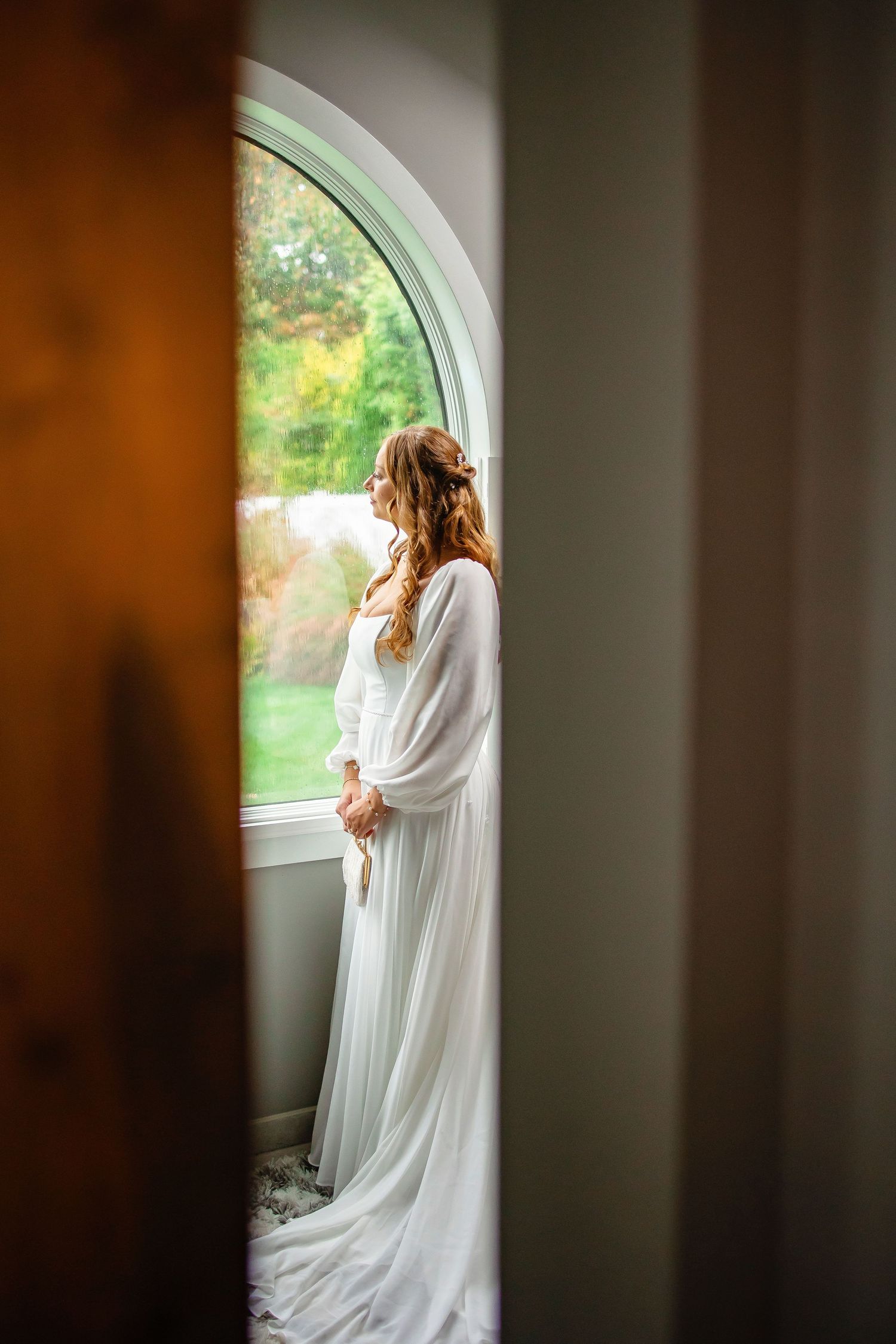
Step 7: Honoring Golden Hour (Without Forcing It)
If you love warm, glowy light, we’ll look at sunset timing and see how it can fit naturally into your day.
That might mean:
- Stepping out for 10–15 quiet minutes
- Adjusting dinner or speeches slightly
- Letting golden hour happen organically, not as a performance
The goal is beautiful light without sacrificing your experience.
Step 8: Adding Buffer Time (The Secret Ingredient)
If there’s one thing that makes timelines work, it’s buffer time.
We intentionally build in breathing room for:
- Unexpected delays
- Emotional moments
- Bathroom breaks, water, and snacks
- Simply being present
This is what allows your day to feel flexible instead of fragile.
Step 9: Collaboration With Your Other Vendors
Your photographer doesn’t work in a vacuum.
I often help ensure the timeline aligns with:
- Your planner or coordinator
- Hair and makeup artists
- Ceremony logistics
- Reception flow
When vendors are aligned, the day runs smoother and you feel the difference.
Step 10: Finalizing a Timeline That Feels GooD
By the end of the consultation, you’ll walk away with:
- A clear, realistic wedding day timeline
- Confidence in how your day will unfold
- Fewer unknowns and fewer “what ifs”
- A plan that supports both beautiful photos and a meaningful experience
The timeline isn’t about control, it’s about care.
Why This Matters
A thoughtful wedding timeline creates space; for emotion, connection, and presence. When couples take the time to sit down and plan intentionally, the day doesn’t just look better. It feels better. And that’s what lasts. If you’re planning your wedding and want a day that flows with ease, intention, and room to breathe, a timeline consultation is one of the most valuable steps you can take.
If you’d like help building a wedding day timeline that feels calm, flexible, and true to you, I’d love to talk.
